Advanced Commercial Analytics plays a crucial role in how organizations interpret market dynamics. It combines predictive modeling and real-time analytics to inform strategic decisions. This approach not only forecasts trends but also tailors strategies to specific demographics. The integration of machine learning and cloud computing further enhances these capabilities. Understanding these elements can reveal how businesses transform data into actionable insights and drive growth in an uncertain environment. What implications does this hold for future strategies?
Understanding Commercial Analytics
Commercial analytics serves as a vital framework for organizations seeking to leverage data-driven insights to enhance decision-making processes.
This approach emphasizes data interpretation and market segmentation, enabling businesses to identify key consumer demographics and tailor strategies accordingly.
Key Trends in Data-Driven Decision Making
As organizations increasingly recognize the importance of data-driven decision making, several key trends have emerged that shape this evolving landscape.
Predictive modeling has gained traction, enabling companies to forecast outcomes and optimize strategies.
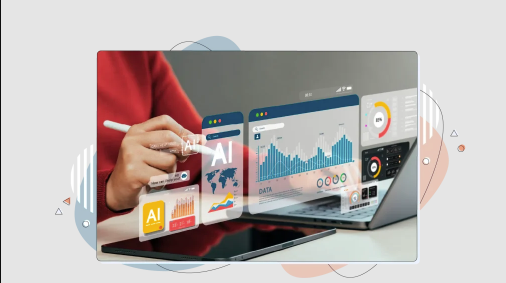
Concurrently, data visualization tools have transformed complex datasets into intuitive formats, enhancing comprehension and facilitating informed choices.
Together, these trends empower organizations to navigate uncertainty and seize opportunities with greater confidence.
Methodologies for Effective Analysis
While the landscape of data analysis continues to evolve, employing effective methodologies remains crucial for organizations aiming to derive actionable insights.
Predictive modeling allows for forecasting future trends, enabling strategic planning. Additionally, data visualization enhances comprehension of complex datasets, facilitating better decision-making.
Technologies Shaping the Future of Commercial Analytics
The integration of advanced technologies is reshaping the landscape of commercial analytics, enhancing the ability of organizations to extract insights from their data.
Machine learning and predictive modeling empower businesses to anticipate trends, while data visualization and real-time analytics facilitate dynamic decision-making.
Cloud computing supports scalability, and natural language processing, combined with AI integration, enables intuitive interaction with big data, unlocking unprecedented opportunities.
Conclusion
In conclusion, advanced commercial analytics stands as a lighthouse in the fog of market uncertainty, guiding organizations toward informed decision-making. By harnessing key trends, innovative methodologies, and cutting-edge technologies, businesses can navigate complexities with precision. This strategic approach not only uncovers valuable insights but also empowers companies to adapt and thrive amidst evolving consumer landscapes. As the future unfolds, embracing these analytical tools will be essential for sustained growth and competitive advantage in an increasingly dynamic marketplace.
 By
By
 By
By