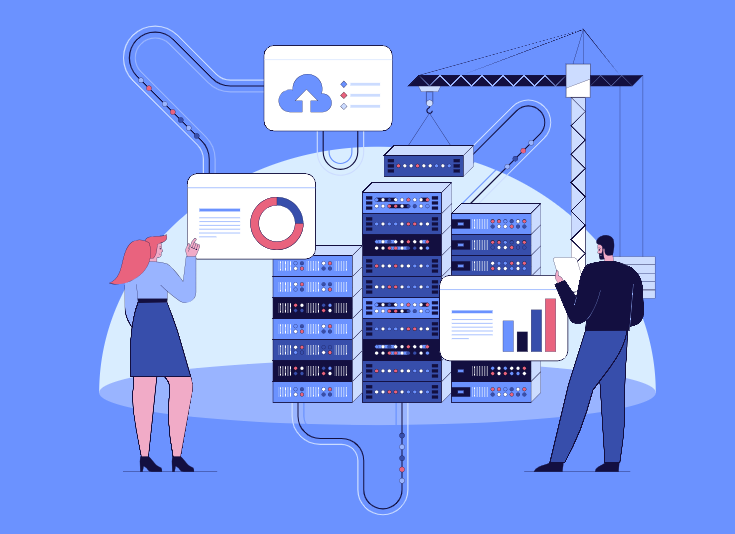

Digital infrastructure trends align footprint with capability needs, driving measurable ROI and mature cloud architectures within risk-aware governance. Edge, 5G, and AI improve reliability through faster recovery and better situational awareness. Open standards, automation, and reusable components accelerate rollouts and investment confidence. Standardized governance, security metrics, and sustainability reporting enable continuous assurance. Yet decisions hinge on interoperability and data-driven optimization amid complexity, inviting sustained scrutiny and strategic prioritization to stay ahead.
What Digital Infrastructure Trends Mean Today
What digital infrastructure trends mean today is gravity for enterprise strategy, shaping where investments land and how operations scale. The analysis emphasizes deliberate alignment of Digital footprint with capability planning, ensuring measurable ROI. Strategic focus rests on Cloud maturity benchmarks, risk-aware governance, and scalable architectures. Forward-looking mandates prioritizing interoperability, data-driven decisioning, and autonomous optimization for resilient, freedom-loving organizations navigating complexity.
How Edge, 5G, and AI Redefine Reliability
Edge computing, 5G, and AI collectively redefine reliability by shifting latency budgets, increasing situational awareness, and enabling autonomous recovery.
The approach emphasizes edge reliability and AI resilience, reducing centralized bottlenecks and accelerating decision cycles.
Data-driven assessments indicate resilient networks adapt to varying loads, outages, and contingencies, while strategic investments target interoperability, security, and predictable performance for freedom-seeking, forward-looking enterprises.
Open Standards, Automation, and New Financing Models
The approach surveys scalable governance sustainability impacts, highlighting interoperable interfaces and reusable components.
Data-driven projections suggest cost efficiencies, faster rollouts, and clearer accountability, while open standards and automation cultivate free-market resilience and strategic investment confidence.
Choices for Governance, Security, and Sustainability
Across governance, security, and sustainability, organizations must align policy design with measurable outcomes, leveraging standardized frameworks, risk-informed models, and continuous assurance mechanisms to reduce fragmentation and enhance resilience.
The choices emphasize data governance, security metrics, and sustainability frameworks, balancing governance risk with proactive risk management; strengthening security posture; and enabling transparent sustainability reporting for strategic, freedom-oriented decision-making.
Frequently Asked Questions
How Will AI Influence Long-Term Maintenance Costs?
AI will likely reduce long-term maintenance costs through predictive analytics and automation, though governance and budgeting discipline shape outcomes. It emphasizes AI governance and maintenance budgeting as crucial levers for efficiency, risk mitigation, and scalable, data-driven cost control.
Which Regions Face the Biggest Digital Divide Challenges?
Silence draped across regional access, a dimmer switch signaling regional access where infrastructure gaps persist; northern and remote regions show the steepest digital divide, while urban cores advance, highlighting targeted, data-driven investments to overcome persistent disparities.
What Skills Will Future IT Teams Require Most?
Future IT teams will require advanced skills forecasting and collaborative leadership to anticipate shifts, optimize talent pipelines, and align capabilities with strategic goals; data-driven decision-making and cross-functional collaboration empower autonomous, globally distributed units toward adaptive, innovative operations.
See also: thenextplanetcom
How Can Vendors Ensure Ethical AI Deployments?
Vendors ensure ethical AI deployments by embedding ethics accountability, transparency governance into every phase, from design to deployment; dashboards quantify fairness, impact, and risk. They adopt auditable pipelines, independent reviews, and proactive disclosure for freedom-loving, data-driven stakeholders.
What Are Practical Metrics for Measuring Sustainability Impact?
Practical metrics for measuring sustainability impact include lifecycle assessment, metrics for scalability, and robust data on material efficiency. The analysis emphasizes trend-driven targets, transparent reporting, and forward-looking benchmarks to empower freedom-loving stakeholders pursuing continuous, data-supported improvements.
Conclusion
In a landscape defined by throughput and reliability, digital infrastructure emerges as the nervous system of modern enterprise. Edge, 5G, and AI stitch uptime to performance, while open standards and automation act as the wind beneath scalable sails. Strategic governance and measured security metrics turn risk into insight, and sustainability reporting converts responsibility into competitive advantage. The trajectory is clear: interoperable, data-driven architectures will continuously optimize cost, resilience, and renewal, fueling confident, future-ready growth.

 By
By


 By
By