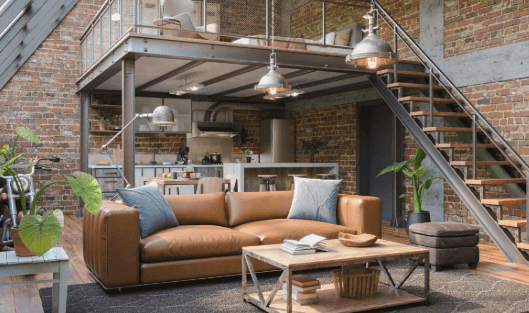

Industrial interior design pares raw honesty with function. Exposed steel, concrete, and wood define the space, built for use over show. Textures wear with time, edges stay sharp, light cuts glare and reveals grit. Layout favors work zones, storage, and breathing room, all in a single, rugged rhythm. It’s a look that asks for intent and restraint, with details that quietly demand attention—and a nudge to push further.
What Industrial Interior Design Is and Why It Works
Industrial interior design distills factory-era aesthetics into functional spaces that feel durable and straightforward. It centers on honest construction, exposed mechanics, and unpretentious charm. The approach reflects industrial history, translating raw environments into usable rooms. Steel aesthetics dictate form: clean lines, sturdy joints, and practical contours. Spaces empower users, inviting bold choices, unfettered expression, and a liberated, no-nonsense lifestyle.
Key Materials and Textures for the Look
Materials and textures anchor the industrial look, turning raw concepts into tangible presence. The core arsenal centers on industrial metals, rugged surfaces, and honest finishes. Surface textures alternate between matte and worn, while mixed materials fuse steel, concrete, and wood for kinetic contrast. Durable finishes resist time, shaping a space that stays bold, functional, and unapologetically free.
Lighting, Color, and Flow for Cozy Industrial Spaces
Lighting, color, and flow shape a cozy industrial space by balancing hard-edged elements with warmth and ease. The design favors practical illumination, where cozy lighting highlights texture without glare.
Color flow guides movement, pairing muted neutrals with bold accents to keep spaces inviting yet grounded.
Raw materials meet intentional warmth, creating a space that feels liberated, purposeful, and resilient.
Practical Layouts and Storage Solutions for Loft Living
Loft living demands layouts that maximize space without sacrificing function, placing zones for work, rest, and movement where they’re most efficient. Practical layouts force clear traffic paths, modular furniture, and vertical storage. industrial ceiling vents punctuate the air, while multifunctional shelving consolidates gear, clothes, and tools. Bold, utilitarian strategies prioritize flexibility, durability, and immediate usability over ornament. Freedom through disciplined, clever organization.
Frequently Asked Questions
How Can I Add Warmth to an Industrial Space Without Losing Edge?
Theres a balance: warmth with raw textures paired with cozy lighting accents and metallic warmth, creating inviting material mixes that preserve edge. The space thrives bold, utilitarian restraint, speaking freedom while textures soften harsh industrial lines.
What Safety Considerations Matter for Industrial-Style Open Stairs?
Safety considerations for industrial-style open stairs include installing safety guardrails and ensuring slip resistance on treads; the design emphasizes bold practicality, prioritizing freedom of movement, maintenance clarity, and uncompromising durability over ornamental concerns.
Which Plants Thrive in High-Contrast, Metal-Dominant Interiors?
Plants that thrive in high-contrast, metal-dominant interiors include sturdy greens and succulents. They value care straightforwardly; mentioning plants care and sunlight requirements, they endure glare and shadows. The stance is raw, utilitarian, bold, freedom-seeking.
How Can Acoustics Be Managed in Large Industrial Rooms?
A hypothetical factory retrofit shows acoustics managed by zoning and targeted sound absorption. Acoustic zoning segments spaces for task focus, while absorbing panels tame reverberation; bold, raw choices prioritize freedom, efficiency, and practical noise control across large industrial rooms.
See also: Digital Nomad Lifestyle and Tech
What Budget-Friendly Upgrades Create Authentic Industrial Character Quickly?
Rusty metal accents and exposed brick deliver quick character, while concrete floors and ceiling beams anchor the space. Reclaimed wood textures, pendant lighting, matte black finishes, industrial color palette, wire shelving, vintage plumbing fixtures complete the look.
Conclusion
Industrial interior design distills form and function into one loud statement: honesty in build, utility in use. Exposed steel, concrete, and wood fuse with rugged textures; lighting sculpts space and reduces glare while revealing texture. Loft layouts prioritize work, rest, and movement, with modular, vertical storage that stays ready for change. The result is a bold, no-nonsense atmosphere that stays practical and inviting. In short: grit meets comfort, no-frills, with just a hint of vintage charm—like a steam-punk espresso machine.

 By
By